
Chat GPT Real-Time AI Search, Google’s Browser Automation, and Meta’s Independent AI Engine
Game-Changing AI Updates from OpenAI, Google, and Meta

Welcome to Week 2 of Techworlds!
This week’s edition brings you exciting advancements in AI, highlighting how industry giants are pushing boundaries in search, automation, and browser independence. From OpenAI’s real-time search capabilities in ChatGPT to Google’s upcoming Project Jarvis browser assistant and Meta’s independent AI-powered search engine, these developments are transforming how we interact with information online.
Dive in to stay informed on these groundbreaking AI tools and innovations that are reshaping everyday tasks and the competitive landscape in technology. Enjoy the read!
#1 OpenAI Introduces Real-Time Web Search for ChatGPT

Summary: OpenAI has launched ChatGPT Search, a feature that allows users to access up-to-date information directly within ChatGPT. This new capability provides real-time answers for topics like news, weather, sports, and stocks, leveraging a refined GPT-4o model and partnerships with trusted sources.
Why It Matters: This update transforms ChatGPT into a live information tool, enabling users to get timely, sourced answers without needing to leave the chat. By partnering with established news organizations, OpenAI underscores its commitment to reliable information while offering publishers a new audience through AI.
Key Points:
Web Search Feature: ChatGPT can now automatically search the web or let users initiate searches manually via a globe icon.
Real-Time Information: Supports real-time data retrieval, including news, weather, sports scores, and financial updates..
Gradual Rollout: Available now for Plus and Team users, with plans to extend access to Enterprise, Edu, and free users soon.
#2 Google Unveils 'Project Jarvis' – An AI Assistant for Web Automation
Summary: Google is developing Project Jarvis, an AI assistant designed to automate tasks in the Chrome browser, simplifying activities like searches, shopping, and bookings. Expected to launch in December alongside the Gemini model, Jarvis uses AI to interact with the browser on behalf of users, aiming to make web tasks faster and more accessible.
Why It Matters: As AI shifts from pure language models to practical applications, Project Jarvis could make routine online tasks simpler and more efficient for everyday users. This consumer-focused approach highlights Google's commitment to embedding AI into daily tools like Chrome, though speed and privacy concerns remain.
Key Points:
Autonomous Browsing: Jarvis can take screenshots, analyze web pages, and perform tasks such as clicking, typing, and navigation within Chrome.
AI-Powered Support: Targets everyday users for tasks like web searches, online shopping, and flight bookings.
Consumer Focused: Aimed at simplifying web use for average consumers rather than developers.
December Release: Planned release alongside the Gemini model, addressing privacy and processing speed issues in the lead-up.
#3 Meta Develops AI Search Engine to Reduce Dependence on Google and Bing

Summary: Meta is actively working on an AI-driven search engine to deliver conversational responses about current events across platforms like WhatsApp, Instagram, and Facebook. This move aims to reduce reliance on Google and Bing and represents Meta’s step toward greater independence in information sourcing.
Why It Matters: With competition heating up in AI-powered search, Meta’s initiative could reshape how users interact with information on its platforms. By delivering real-time answers directly, Meta is carving its own path in the AI search landscape while addressing ethical considerations around content sourcing.
Key Points:
Conversational Responses: Meta’s AI search tool will provide interactive answers to current event queries, leveraging a new web crawler.
Reduced Dependency: The initiative marks a shift away from Google and Bing, which currently power Meta’s search for news, sports, and stock information.
Industry Competition: Entering the AI search space, Meta joins Google and OpenAI in advancing AI-driven search functionalities.
Content Sourcing Concerns: Ethical implications are under review, particularly around fair compensation for content creators whose work trains AI models.
AI Tool of the Week
Ideogram – Text-to-Image Generator for Creative Visuals
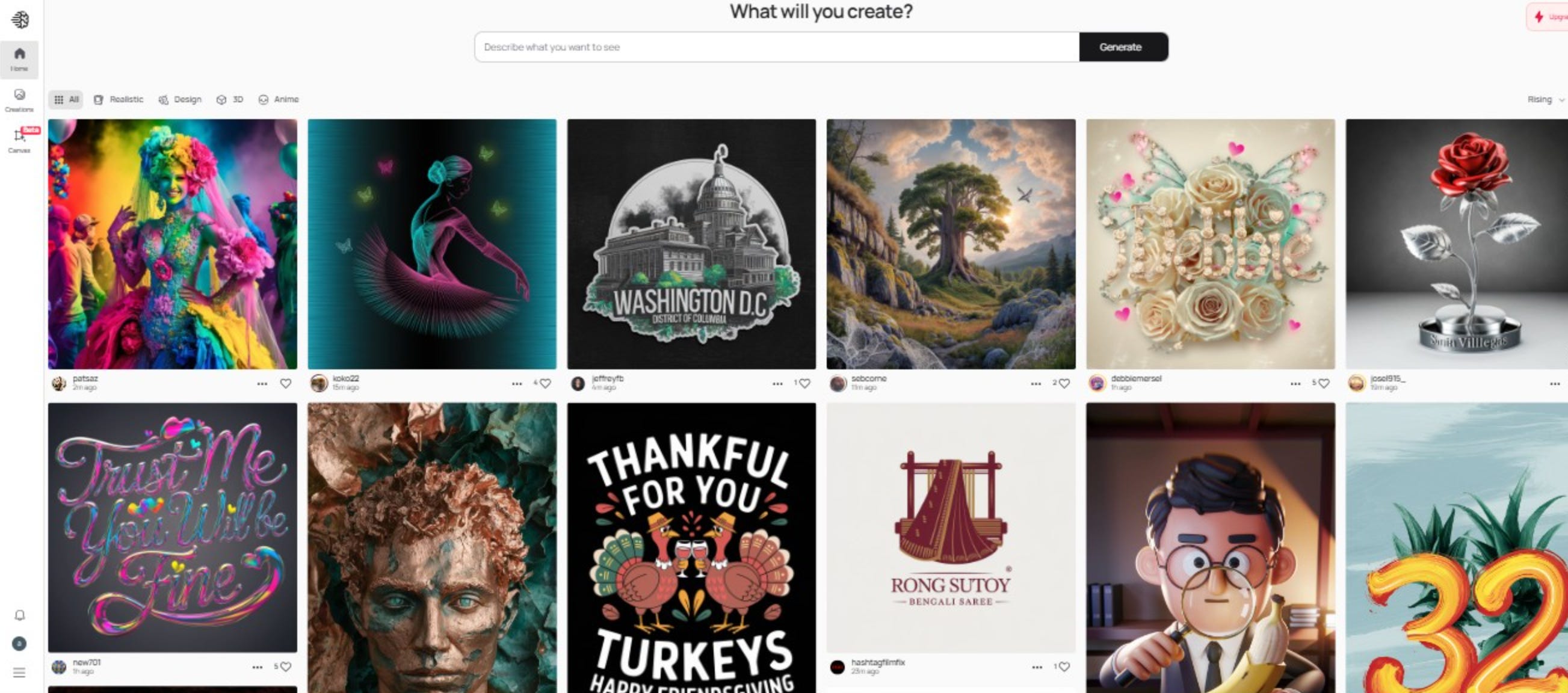
Overview: Ideogram is a generative AI platform that allows users to create high-quality images from text prompts. With an intuitive, user-friendly interface, Ideogram makes it easy to produce visuals for projects, presentations, and creative content.
How to Use: Simply input a text prompt describing your desired image, and Ideogram’s AI will generate a matching visual. Great for marketers, designers, and content creators looking to save time and enhance creativity with professional-looking images.
Key Benefits:
Easy to Use: No design experience needed; just type a prompt, and Ideogram does the rest.
High-Quality Output: Produces visually rich images suitable for various professional uses.
Generous Free Plan: Access up to 40 images per day with 10 daily credits.
Flexible Options: Paid plans offer premium features, including shorter wait times, private generation, image uploads, and more generation credits.
User-Friendly Interface: Designed for ease of use, making it accessible to beginners and professionals alike.
Thank you for reading this week’s edition of Techworlds! We hope you enjoyed the latest insights into AI advancements and tools designed to keep you at the forefront of technology.
If you found value in these updates, please consider subscribing to stay informed every week. And don’t forget to share Techworlds with friends, colleagues, and anyone else who would benefit from staying updated on the world of AI.
See you next week with more exciting news and tools!
Wishing you a happy week ahead.
Jagadeesh
Founder of TechWorlds Weekly AI Newsletter
P.S. Have feedback or suggestions for future editions? We'd love to hear from you! Drop us a line at “techworldsdata@gmail.com” and let's continue shaping the future of AI together.
If you’re not subscribed yet, subscribe now to the TechWorld Newsletter!